Scroll through any interior design feed or browse an independent gallery, and one thing becomes immediately clear: vintage and retro art are everywhere. From mid-century modern prints adorning minimalist apartments to Victorian-era botanical illustrations framed above kitchen tables, the past is very much in vogue. But what is it about older artistic styles that continues to capture our imagination?
The emotional pull of nostalgia
Nostalgia is a powerful force. Psychologists have long recognised its ability to provide comfort and a sense of continuity, particularly during periods of uncertainty. When the present feels overwhelming, art that evokes a simpler or more romantic era offers a kind of visual refuge. Vintage pieces — or contemporary works that mimic their aesthetic — carry an emotional warmth that much of modern digital art struggles to replicate.
A reaction to the digital age
There is also something of a cultural correction happening. After years of sleek, algorithm-driven design dominating screens and spaces, many people are craving texture, imperfection, and history. Vintage art delivers exactly that. The faded hues of a 1950s travel poster or the delicate linework of an Edwardian illustration feel tangible in a way that pixel-perfect graphics simply do not. It is, in many respects, a quiet rebellion against the sterile uniformity of contemporary visual culture.
How social media is fuelling the revival
Ironically, it is the very digital platforms that some seek refuge from that are driving the resurgence of retro aesthetics. Pinterest boards dedicated to "cottagecore" and "dark academia" have amassed millions of followers, each one championing an idealised vision of the past rendered in art, fashion, and décor. Instagram and TikTok have further accelerated this trend, with creators restoring and recontextualising vintage works for new audiences. What was once confined to antique fairs and specialist dealers is now reaching a generation of younger collectors.
The rise of the independent collector
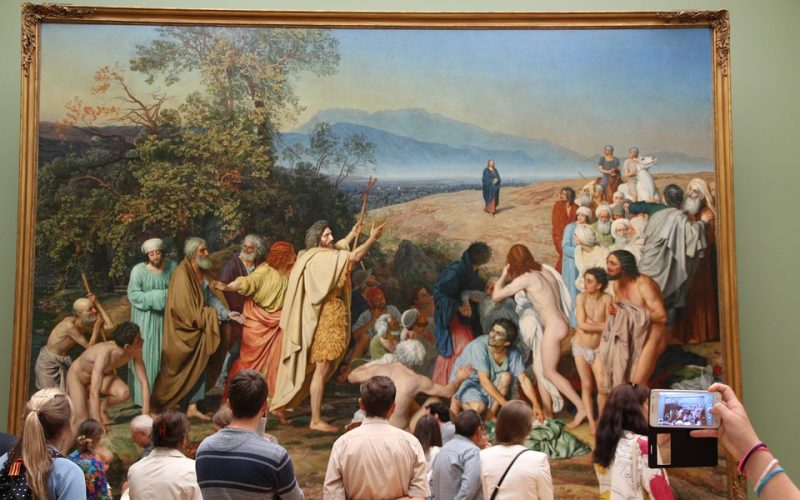
Accessibility has also played a significant role. Online marketplaces and print-on-demand platforms have made it easier than ever to acquire vintage-inspired artwork without the price tag of an original. At the same time, a growing appreciation for craftsmanship and authenticity has prompted many buyers to seek out genuine antique pieces. Auction houses have reported a notable uptick in interest from younger bidders — a demographic that was, until recently, largely absent from the market.
Vintage art in contemporary interiors
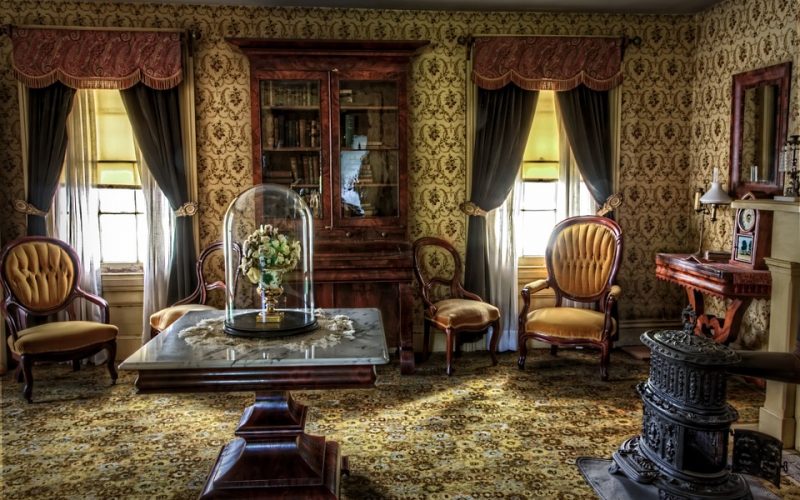
Interior designers have been quick to embrace the trend. Rather than treating vintage art as purely decorative, many are using it as a focal point around which entire rooms are built. A well-chosen retro print can anchor a space, introducing colour, character, and conversation in equal measure. The eclectic mix of old and new — a Victorian portrait beside a modernist lamp, say — has become something of a hallmark of considered, confident design.
A lasting movement, not a passing trend
What distinguishes this revival from previous retro fads is its depth and diversity. It encompasses everything from Art Deco typography to Soviet-era propaganda posters, Japanese woodblock prints to 1970s psychedelic illustration. Collectors and enthusiasts are not simply chasing a single aesthetic; they are engaging with history, identity, and meaning. That kind of engagement tends to endure. Vintage art is not making a comeback because it is fashionable — it is making a comeback because it has always had something genuinely worth returning to.